The Spreadsheet That Runs Your Business
by Jordan North, Founder and Engineering Lead
Every company has one. The Excel file that started as a quick tracker and now somehow controls pricing, scheduling, inventory, and even holiday requests. It has 47 tabs, three people who understand it, and a formula that breaks if you look at it wrong.
Spreadsheets Aren't Systems
A spreadsheet is a tool for calculation. Somewhere along the way, we started using them as databases, workflow engines, and source of truth. The problem isn't Excel. It's asking a calculator to be an operating system. When your business logic lives in nested IF statements across 12 tabs, you don't have a system. You have technical debt with a .xlsx extension.
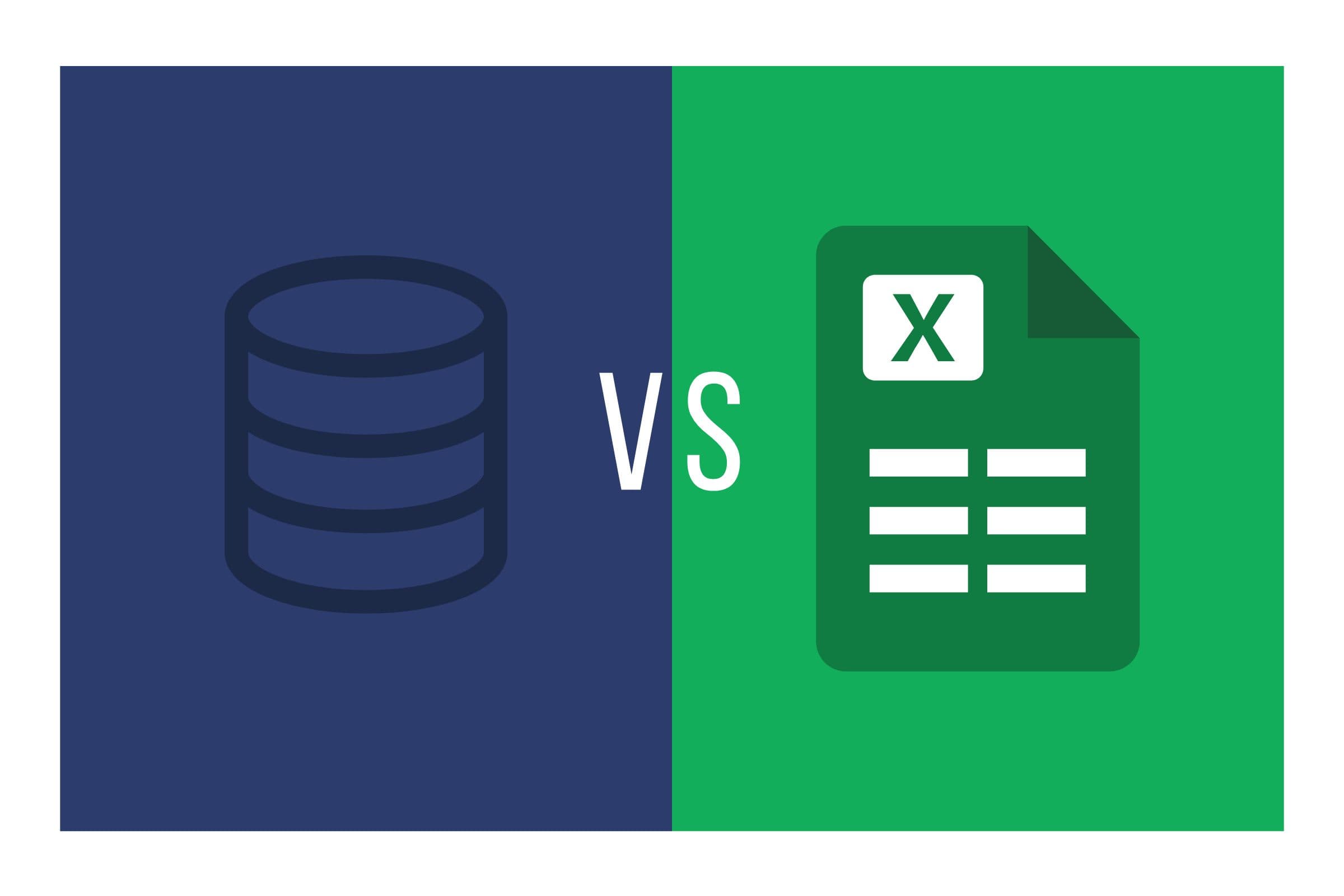
The Data Modelling Gap
Most teams have never been taught to think about how data relates to other data. So customers get duplicated, products have three different names, and "just add another column" becomes the answer to every new requirement. The spreadsheet grows sideways forever. What's missing isn't a better tool, it's the skill to structure information properly in the first place.
Fragile Logic, Single Points of Failure
The person who built the spreadsheet left two years ago. Nobody's touched the formula in column AQ. It works, mostly, except when it doesn't, everything stops while someone reverse-engineers what it was supposed to do. Real systems have documentation, version control, and more than one person who can fix them. Spreadsheets have prayers.
The fix isn't buying software.
It's learning to think in systems. Until that happens, you're just migrating chaos from one tool to another.